


[기타] The 10 Scariest Things About 30 Foot Container New

본문
Understanding 30 Foot Containers: An In-Depth Guide
In the world of logistics and shipping, container sizes are important considerations for organizations and individuals alike. One of the less typically gone over sizes is the 30-foot container. While 20-foot and 40-foot choices dominate the market, the 30-foot container has its own unique benefits. This blog post will explore the requirements, utilizes, benefits, and factors to consider you need to understand when looking into 30-foot containers.
What is a 30 Foot Container?
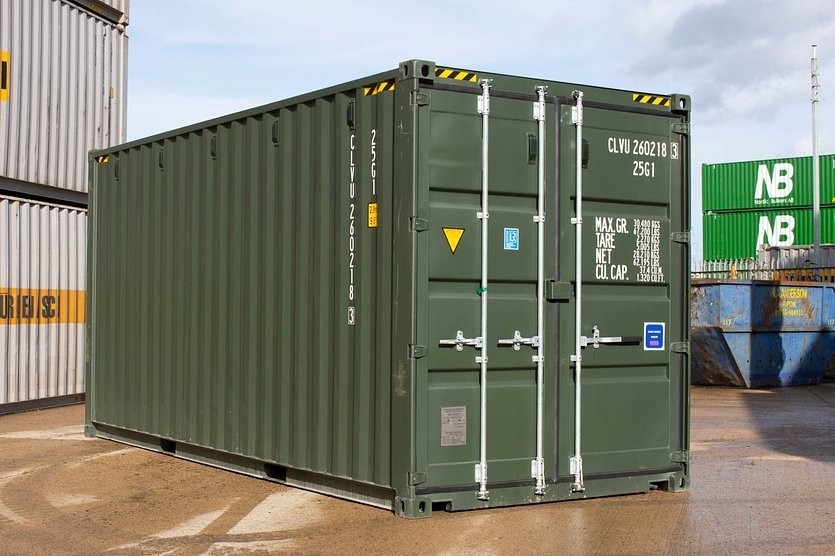
A 30-foot container is a shipping container that measures 30 feet in length. While not as widespread as its counterparts, this size is especially beneficial in particular circumstances where area and cost effectiveness are vital.
Specs of a 30 Foot Container
| Spec | Measurement |
|---|---|
| Length | 30 feet (9.14 meters) |
| Width | 8 feet (2.44 meters) |
| Height | 8.5 feet (2.59 meters) |
| Tare Weight | Roughly 3,650 pounds (1,650 kg) |
| Maximum Payload | Up to 28,000 lbs (12,700 kg) |
| Cubic Capacity | About 1,700 cubic feet (48.1 cubic meters) |
Key Features
Sturdiness: Made from top quality steel, these containers can endure severe weather condition conditions, making them a perfect option for long-term storage and shipping.
Versatility: 30 foot Container New-foot containers can be utilized for a variety of applications such as domestic storage, business 30ft Shipping Containers, and temporary workplaces.
Security: With robust locking mechanisms, they offer a secure space for saving valuable devices or merchandise.
Uses of a 30 Foot Container
Home Renovation Storage: Ideal for homeowners going through renovations who need short-lived storage space for their furniture and personal belongings.
Company Inventory: Companies can save excess inventory, devices, or seasonal products without needing to rent additional warehouse area.
Site Offices: Perfect for construction sites or remote locations where temporary workplaces are required, 30-foot containers can be converted into practical workspaces.
Occasion Storage: Event planners can use these containers for storing devices, camping tents, and materials during large occasions.
Shipping Custom Goods: For organizations that need to deliver custom-sized products that don't suit standard 20 or 40-foot containers, a 30-foot container supplies a perfect option.
Advantages of Using a 30 Foot Container
Cost Efficiency: Renting or acquiring a 30-foot container can be more economical than a 40-foot container when area requirements are lower.
Movement: These containers can be easily carried, making them suitable for services that may require to transfer regularly.
Area Management: With a 30-foot container, businesses can effectively manage area, minimizing the need for several smaller sized containers or extra storage facility centers.
Ecological Considerations: Using containers can lower the carbon footprint related to storage, as they typically promote better organization and resource management.
Considerations Before Using a 30 Foot Container
While 30 Ft Container-foot containers have many benefits, there are likewise some aspects to consider:
Availability: Depending on place, 30-foot containers might not be as easily offered as 20-foot or 40-foot options.
Weight Limitations: Be mindful of the container's optimum payload, particularly if keeping heavy devices.
Zoning Regulations: In some regions, regional laws may dictate how and where containers can be put, particularly for long-lasting use.
Ease of access: Ensure the container can be quickly accessed by shipment automobiles if required, as some areas may not accommodate larger trucks.
Frequently asked questions About 30 Foot Containers
1. How much weight can a 30-foot container hold?
A 30 Foot Container-foot container can hold up to approximately 28,000 pounds (12,700 kg).
2. Are 30-foot containers customisable?
Yes, many companies use personalization choices, including additional doors, windows, and insulation depending on the intended usage.
3. Where can I rent or buy a 30-foot container?
Most shipping container leasing companies and online marketplaces offer options for renting or acquiring a 30-foot container.
4. What are the typical applications for 30-foot containers?
Common applications include storage, site offices, mobile facilities for occasions, and shipping custom-sized items.
5. How do I prepare a site for a 30-foot container?
Guarantee the location is flat, accessible by shipment lorries, and abide by any regional zoning regulations.
30-foot containers are an exceptional option for numerous storage and shipping requirements, supplying a versatile and efficient option to the more frequently used sizes. With their special measurements, they can serve a multitude of purposes across various markets. Understanding the requirements, advantages, and factors to consider of these containers can help services and individuals make informed decisions about their logistics and storage needs. As the need for flexible shipping and storage solutions rises, the 30-foot container will certainly find its location in the global market.
댓글목록0
댓글 포인트 안내