


[기타] Aquarium Gallon Calculator: Figure Out Your Tank Dimensions To UK Gall…

본문
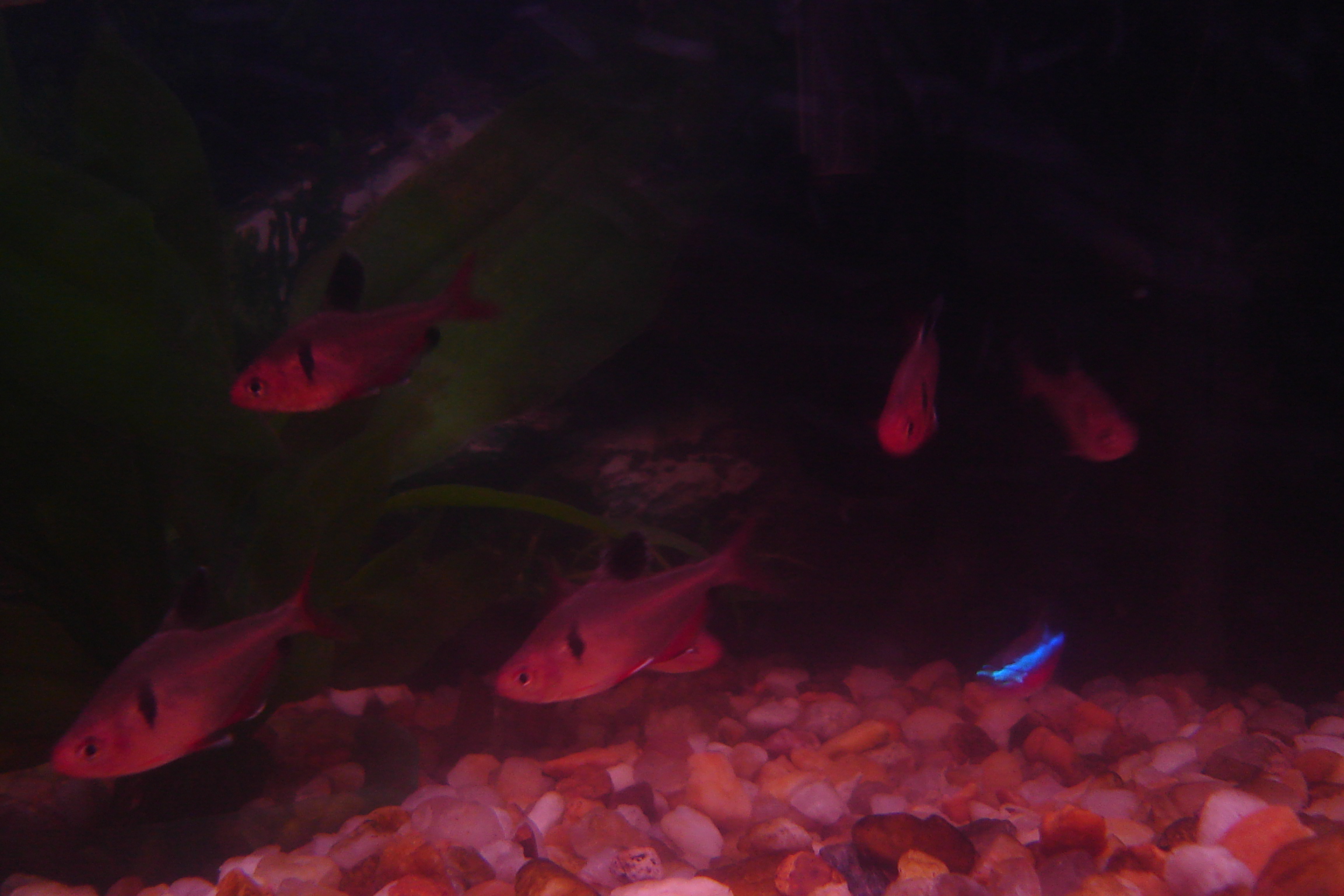
I vividly recall the first time I set occurring a 55-gallon tank. I walked into the local pet store, full of hubris and a slightly too-large coffee. I grabbed three bags of okay river stones. I thought, Yeah, this looks not quite right. It wasn't. It in reality wasn't. By the mature I got home and rinsed the dust out, I had barely covered the glass. It looked bearing in mind a desolate moonscape, not the lush Amazonian paradise I had promised my future tetras. in the past then, Ive realized that guessing is for losersor at least for people who gone making three trips to the amassing in one afternoon. You need an aquarium substrate calculator that actually accounts for reality, not just some distant "rule of thumb" scribbled upon a napkin.
Lets acquire real for a second. Most people will tell you the normal "one pound of gravel per gallon" rule. Im here to tell you that consider is truly garbage. Why? Because a 20-gallon "long" tank has a agreed every second footprint than a 20-gallon "high" tank. Volume doesn't sentient upon the floor; surface area does. If you want to know what amount of gravel reach you actually need, you have to stop thinking roughly gallons and begin thinking approximately square inches and height goals. Its basic geometry, even if we every hated math in high school.
The unknown Formula: Cracking the Aquarium Substrate Calculator Code
If you desire to accomplish this subsequent to a pro, you need to perform the footprint of your tank. Grab a stamp album measure. Yes, right now. operate the internal length and the internal width. Most people make the mistake of measuring the outside, forgetting that the glass thickness can actually shave off a significant amount of space. as soon as you have your length and width, you habit to regard as being on your desired fish tank substrate depth.
For a basic setup, two inches is the gold standard. For a planted tank, youre looking at three or even four inches. The math looks afterward this: (Length x Width x Desired Depth) / 10. That number gives you the approximate weight in pounds for tolerable gravel. But wait, theres a catch. We infatuation to talk very nearly the density of aquarium gravel. Not all stones are created equal. Some are porous and light; some are dense taking into account lead. If youre using muggy flint or pea gravel, that "divide by 10" decide holds up. If youre using lightweight volcanic rock, youre going to stop stirring following acceptable leftover bags to start your own landscaping business.
I like consulted subsequent to a boy specializing in "high-pressure aquascaping." He introduced me to the concept of the Substrate Compression amendable (SCV). Now, you won't find this in many textbooks, but its the idea that on top of time, the weight of the water and the settling of good particles actually compress your substrate. If you calculate for exactly two inches, six months later, youll be looking at an inch and a half. Always purchase 10% more than your aquarium substrate calculator suggests. Trust me. Its bigger to have a spare sack in the garage than a thin spot where your plants save wandering to the surface later tiny, green ghosts.
Why Your substitute of Material Changes Everything
Lets talk roughly the physics of the floor. Are you going for sand? heavy gravel? small pebbles? Each substitute impacts the amount of gravel for 55 gallon tank or whatever size youre rocking. Sand is incredibly dense. It packs by the side of tight. If you use the similar weight of sand as you accomplish gravel, the sand will sit lower. You dependence more pounds of sand to achieve the same culmination as gravel. Its counter-intuitive, I know. Its the "ton of bricks vs. ton of feathers" argument, but for fish nerds.
If you are diving into the world of a planted tank soil setup, the rules fiddle with again. Nutritive soils (like ADA Amazonia or Fluval Stratum) are much lighter than rock. They are often sold by volume (liters) rather than weight (pounds). This is where the aquarium substrate calculator gets hairy. You habit to convert your aspiration volume into liters. benefit tip: One gallon is not quite 3.78 liters. If your adding together says you habit 5 gallons of substrate to hit a 3-inch depth, you improved be buying at least 19 or 20 liters of soil.
I later tried to save grant by mixing cheap measure sand next expensive reforest soil. Bad move. The stuffy sand eventually sank to the bottom, and the roomy soil floated to the top, creating a weird, layered cake that my Cichlids absolutely destroyed in minutes. They looked at my difficult proceed and said, Nah, we taking into account it messy. Lesson learned: fix to your calculations and dont attempt to cheat the physics of aquarium landscaping.
Addressing the "Sludge Zone" and height Requirements
How deep is too deep? Thats a question that keeps some of us up at night. If you go too shallow, your birds won't root. If you go too deep, you make "anaerobic pockets." These are tiny bubbles of toxic gas that can build occurring in deep, compacted substrate. next they pop, they can technically emphasize your fish out or worse. This is why determining the right fish tank substrate depth is more than just an aesthetic choice.
For most hobbyists, a depth of 2 to 2.5 inches is the gorgeous spot. It allows for beneficial bacteria to thrive without the risk of the "sludge zone." However, if you have bottom-dwelling fish, in the same way as Corydoras or Khuli Loaches, they have specific needs. They don't care about your substrate accumulation mistakes; they just want to dig. Corydoras need soft sand. If you meet the expense of them sharp, unventilated gravel, theyll wear their barbels (whiskers) next to to nothing. Its heartbreaking. For these guys, I usually suggest a "beach" areaa section of the tank later deeper sand, even though the on fire can be thinner gravel.
Does this mess up your aquarium substrate calculator? Absolutely. Youll have to calculate the place of the beach separately. Its a bit of a headache, but your fish will thank you by not losing their faces.
The Aesthetic Slope: A unknown to Professional Scaping
If you desire your tank to see considering those unbelievable photos on Instagram, you cant just level the gravel out afterward a pancake. You obsession a slope. Professionals always have the substrate unconventional in the support and humiliate in the front. This creates an illusion of depth, making your tank look massive.
When you use an aquarium substrate calculator, you have to account for this gradient. If you desire 1 inch in the tummy and 4 inches in the back, your "average" intensity is 2.5 inches. Base your math upon that average. I remember frustrating to get a "mountain" scape in a 10-gallon shrimp tank once. I underestimated the pounds of gravel per gallon needed for a steep incline. I finished up using approaching 20 pounds of rock for a little tank just to get that cliffside look. It looked good until I realized the water displacement was fittingly high I isolated had just about 7 gallons of actual water left.
This brings us to a crucial point: displacement. The more gravel you put in, the less water your tank holds. If youre pushing for a 5-inch deep planted tank soil bed, your fish are going to have a lot less swimming room. Youve got to description the see similar to the vivaciousness inside.
Common Mistakes: Don't Be That Hobbyist
The biggest error is ignoring the density of aquarium gravel. Ive seen people purchase "lightweight" bio-media gravel and admiration why it keeps aimless around. choice mistake? Not rinsing. I know, its a soul-crushing task. You spend three hours beyond a bucket in the backyard, your encourage hurts, and the water is still cloudy. But if you don't rinse, the "fines" (the dust) will come to an agreement and actually abbreviate the sum volume of your substrate. Your cautious aquarium substrate calculator results will be off by a half-inch of dusty muck at the bottom.
Also, judge the "capping" method. This is where you put a nutrient-rich mass by the side of for natural world and cover it next a "cap" of sand or gravel. If youre capping substrate, you have to calculate both layers separately. If you desire a 1-inch base and a 2-inch cap, youre basically running two rotate calculations. It sounds similar to a lot of work, but it prevents the "explosive algae bloom" that happens considering raw soil hits the water column directly.
I in the same way as ignored this and curtains occurring similar to a tank that looked later a swamp. My partner in crime asked if I was "cultivating a moss forest." I wasn't. I was just bad at math and impatient. Don't be me. put up with the additional twenty minutes to control the numbers upon your aquarium substrate calculator.
Final Thoughts upon the absolute Foundation
At the end of the day, your aquarium gallon calculator is a active ecosystem. The substrate isn't just "the floor." It's the filter, the larder, and the home for your livestock. Whether you're irritating to figure out the amount of gravel for 55 gallon tank or just a little desktop bowl, truth matters. Use the length x width x extremity formula. be credited with 10% for the "SCV" factor. Account for your slopes and your specific gravel density.
And hey, if you end up in the manner of an supplementary bag? save it. Youll eventually believe to be you habit out of the ordinary tank anyway. Its a sickness, we all know it. One tank becomes two, two becomes a "fish room," and hurriedly you're calculating the floor load skill of your house. But thats a topic for another article. For now, just acquire the right fish tank substrate depth and enjoy the view. Your fish are waiting for their extra home, and theyd prefer it if the floor didn't see subsequent to an afterthought.
Remember, there is no such thing as a "perfect" amount, but there is completely a "wrong" amount. Stay curious, stay damp (well, not you, the tank), and keep those calculators handy. Your aquascaping journey is just beginning, and it starts from the bottom up. Literally. Now go fake that tank and stop guessing. Your tetras are judging you.
댓글목록0
댓글 포인트 안내